

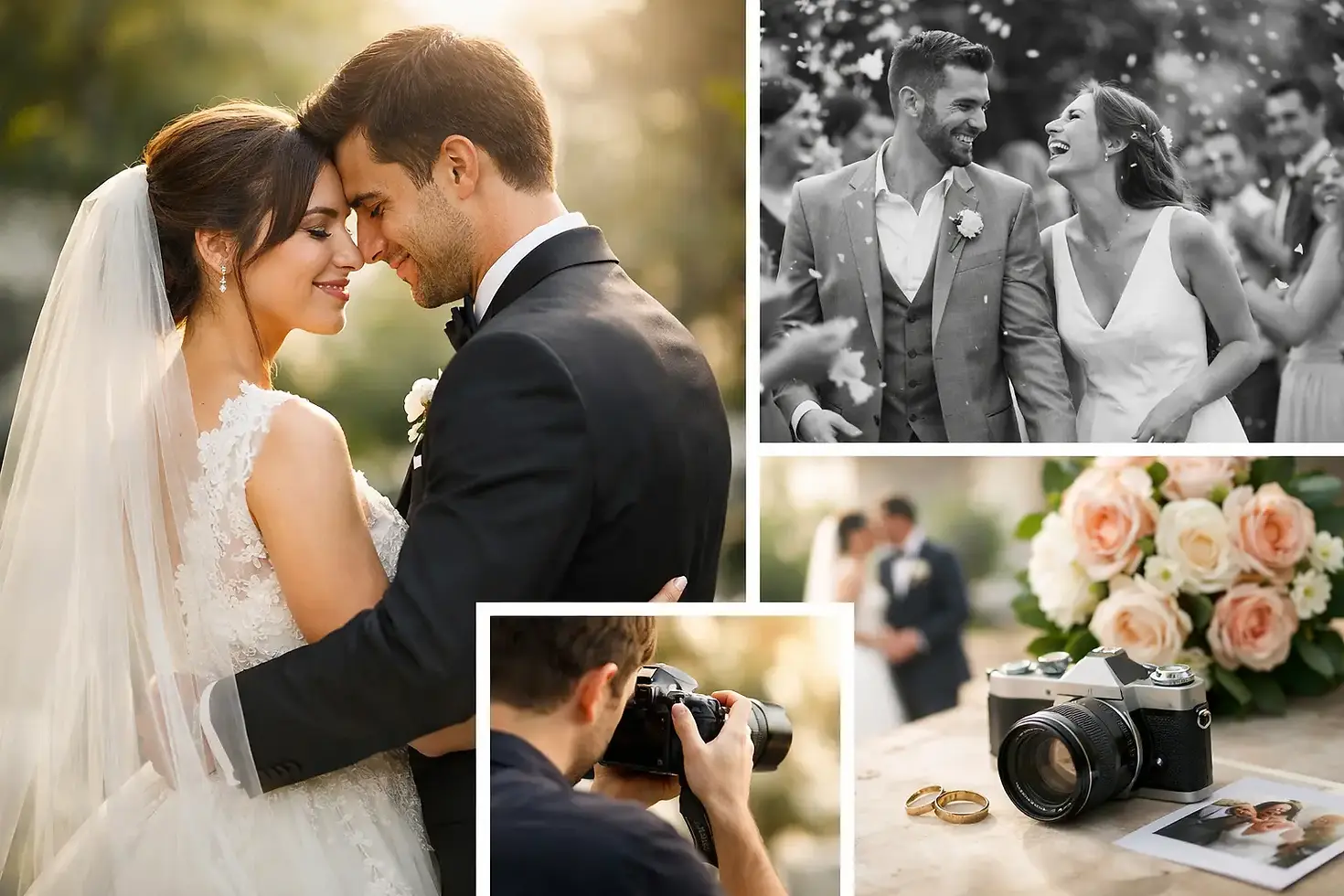
Wedding Photography Styles Explained
- HG Photo Films
- 4 days ago
- 6 min read

The fastest way to feel overwhelmed while planning wedding photos is to realize that "beautiful" can mean ten completely different things. One couple wants softly lit, editorial portraits that feel like a magazine spread. Another wants every image to feel candid, emotional, and almost unnoticed. If you have been searching for wedding photography styles explained in a way that actually helps you choose, the real question is not which style is best. It is which style feels most like your day.
Your wedding gallery should not look like someone else’s trend board. It should reflect how your celebration moved, how it felt, and how you want to remember it years from now. That is why understanding photography style matters before you book, not after.
Wedding photography styles explained by feel, not just by look
Most couples are introduced to style through labels. Traditional. Documentary. Editorial. Fine art. Dark and moody. Light and airy. Those labels are useful, but they only tell part of the story. A style is not just an editing preset or a pose preference. It shapes how your photographer directs, observes, times moments, and builds the story of the day.
That is also why many strong photographers do not live in only one category. A wedding day asks for range. The ceremony may call for a documentary eye. Portraits may lean editorial. Family photos may need a classic approach. Great coverage often comes from knowing when each style serves the moment.
Traditional wedding photography
Traditional wedding photography is the most familiar style for many families. It centers on posed portraits, clear composition, and must-have moments captured with intention. Think family formals, the couple looking at the camera, the first kiss framed cleanly, and reception highlights documented in a polished, straightforward way.
This style is valuable because it creates order. On a fast-moving day, traditional photography makes sure the essential images are not left to chance. Grandparents, extended family, wedding party groups, and ceremonial moments often benefit from this structure.
The trade-off is that if a gallery leans too heavily on traditional coverage, it can feel formal or less emotionally spontaneous. For couples who want movement, laughter, and in-between moments, traditional alone may feel too controlled.
Documentary or photojournalistic style
Documentary wedding photography is built around real moments as they unfold. Instead of constantly directing, the photographer watches closely and responds to emotion, timing, and interaction. The result is a gallery with more candid expressions, subtle gestures, and natural energy.
This style often appeals to couples who want to be present with their guests rather than feel pulled into a long series of posed setups. It is also ideal for capturing the atmosphere of a wedding - the nervous breath before the ceremony, the tears during speeches, the quiet hand squeeze no one else noticed.
What couples should know is that documentary does not mean random. It still takes experience, anticipation, and composition. It also works best when the timeline allows space for real moments to happen. If every part of the day is rushed, even a documentary photographer has less room to observe.
Editorial wedding photography
Editorial wedding photography borrows from fashion and magazine storytelling. It is refined, intentional, and visually elevated. Posing tends to be more directional, backgrounds are chosen carefully, and details like posture, wardrobe, and composition matter a great deal.
For couples drawn to luxury aesthetics, clean styling, and images that feel cinematic or high-fashion, editorial work can be deeply appealing. It creates portraits that feel polished without necessarily feeling stiff, especially when done well.
The balance to consider is that editorial coverage usually requires more guidance and a stronger visual plan. If you want every portrait to feel effortless, your photographer is often doing a lot behind the scenes to create that result. This style shines when couples are open to direction and care about design as much as emotion.
Understanding light and mood in wedding photography styles
Sometimes when people talk about style, they are really reacting to color, contrast, and light. That matters just as much as posing.
Light and airy
Light and airy wedding photography is bright, soft, romantic, and often pastel in tone. Skin tones appear luminous, shadows are gentle, and the overall mood feels fresh and dreamy. It is especially popular for garden weddings, beach celebrations, and spaces with lots of natural light.
This look can feel timeless when handled with restraint. But if pushed too far, brightness can wash out depth or make a scene feel less grounded. Couples who love vivid color, dramatic evening photos, or richer contrast may want something with more balance.
Dark and moody
Dark and moody photography emphasizes deeper tones, stronger contrast, and a more dramatic emotional atmosphere. It can feel elegant, cinematic, and richly textured, especially in venues with architectural character, candlelight, or evening-heavy celebrations.
This style is not inherently better for formal weddings or winter weddings, but it often complements those settings beautifully. The key is making sure dark and moody still preserves natural skin tones and emotional clarity. If every image is overly shadowed, the gallery can start to feel heavy.
True to color
True to color photography aims to preserve the scene in a way that feels natural and balanced. Whites stay clean, skin tones stay believable, and decor colors remain close to what they looked like in person. For many couples, this is the sweet spot because it feels polished without feeling overly stylized.
It is also one of the most versatile looks over time. Trends in editing shift, but balanced color tends to age well. If you are unsure what aesthetic you want, true to color is often a safe and beautiful direction.
Fine art, cinematic, and modern blended approaches
Fine art wedding photography overlaps with editorial in some ways, but the emphasis is slightly different. It tends to focus on composition, softness, detail, and an elevated sense of beauty. There is often a delicate, intentional quality to the framing, with attention paid to florals, fabrics, architecture, and negative space.
Cinematic wedding photography leans into movement, atmosphere, and visual storytelling that feels inspired by film. Even in still images, there may be motion blur, dramatic framing, layered foregrounds, or storytelling sequences that make the gallery feel alive. For couples who also value wedding film, this style often creates strong visual harmony across both mediums.
Modern blended coverage is where many couples land, whether they realize it or not. They want candid moments, beautiful portraits, flattering light, and a gallery that feels emotional but refined. Studios like HG Photo Films often work in that space because real wedding storytelling rarely fits neatly into one box. The strongest result is often a documentary foundation with editorial polish and cinematic instinct.
How to choose the right wedding photography style
Start with your reaction, not the label. When you look through a gallery, ask yourself what you feel first. Do you notice emotion, elegance, fun, intimacy, drama, softness? Your response will tell you more than any style name.
Then pay attention to consistency. Anyone can post a few striking portraits. What matters is whether a full wedding gallery carries the same quality from getting ready through the dance floor. You want to see how a photographer handles bright sun, indoor light, fast moments, formal portraits, and quiet scenes.
It also helps to think about your personality as a couple. If being directed makes you feel awkward, a heavily posed approach may not bring out your best. If you love style, fashion, and intentional details, a purely candid approach may leave you wanting more portrait artistry. Your comfort level should shape the style just as much as your Pinterest saves do.
Venue and timing matter too. A bright waterfront ceremony in Miami will photograph differently than a candlelit ballroom reception. The right photographer knows how to adapt style to setting without losing the heart of the story.
Questions worth asking before you book
Ask how the photographer describes their approach during different parts of the day. Portraits, ceremony coverage, family photos, and reception storytelling may each be handled differently. That is a good thing if the transitions feel intentional.
Ask to see complete galleries in lighting conditions similar to your wedding. Ask how much direction they typically give. Ask what they do when a timeline runs late or weather changes the plan. Style is not just aesthetic. It is also how someone works under pressure while protecting the experience.
Most of all, ask whether their images feel emotionally honest to you. Beautiful photos are easy to admire. The right photos feel personal before they even belong to you.
Your wedding deserves more than a style that is simply popular. It deserves a visual language that matches your connection, your energy, and the way the day will actually unfold. When that fit is right, the images do more than look good. They bring you back to the feeling of being there.


Comments